

What Happens When You Visit Without a Bucket List
Travel bucket lists have become almost standard. Before a trip, many people carefully plan out every landmark, restaurant, and experience they want to check off. It feels organized, efficient, and reassuring. But there’s another way to travel that works very differently: showing up with no list at all. Visiting a place without a bucket list changes the entire rhythm of the experience. Instead of rushing from one must-see attraction to the next, you move at the pace of curiosity. You start noticing what’s around you instead of what you’re “supposed” to see. The trip becomes less about completion and more about discovery.
You Start Paying Attention to the Present
Without a list guiding your movements, your attention naturally shifts to what’s happening right in front of you. A quiet street, an unexpected café, or a local conversation suddenly becomes more interesting than a landmark you read about online. This kind of travel encourages presence. Instead of thinking about what’s next, you engage more deeply with where you already are. Even ordinary moments start to feel meaningful because they aren’t competing with a checklist in the back of your mind.
Spontaneity Becomes the Plan
When there’s no strict itinerary, spontaneity takes over. You might wander into a neighborhood you didn’t know existed or follow a recommendation from a stranger instead of a guidebook. These unplanned moments often become the most memorable parts of the trip. Without fixed expectations, you’re more open to surprises. The experience becomes shaped by curiosity rather than pre-planned goals, which often leads to more authentic discoveries.
You Notice Places Others Overlook
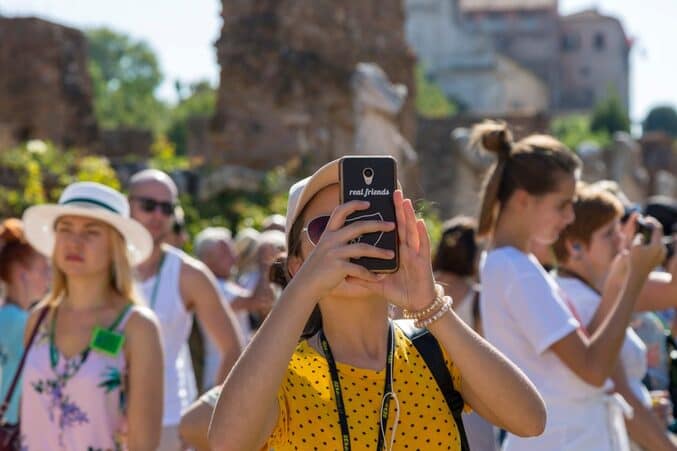
Bucket lists tend to highlight the same popular attractions for everyone. While those places can be impressive, they’re also crowded and predictable. Traveling without a list permits you to step away from those expectations. Instead, you might find yourself exploring quieter streets, small local shops, or parks where everyday life unfolds. These places don’t always appear in travel guides, but they often reveal a more genuine side of a destination.
Time Feels Less Pressured
One of the biggest differences is how time feels. With a bucket list, there’s often a sense of urgency—limited days, many places, and a pressure to “see it all.” Without that structure, time feels more flexible. You’re not constantly checking the clock or calculating how much you can fit into a day. This slower pace allows for longer meals, unexpected detours, and moments of rest that would otherwise be skipped. The trip becomes more relaxed and less performance-driven.
Decisions Become Simpler
Travel planning can sometimes feel overwhelming when every day is scheduled in advance. Without a bucket list, decision-making becomes much simpler. You wake up and decide based on how you feel, not what’s on a pre-written schedule. This simplicity can be surprisingly freeing. Instead of managing expectations, you respond to the moment. Whether you choose to explore, rest, or wander, each decision feels natural rather than obligated.
Conversations Shape the Experience

Without a fixed plan, you’re more likely to talk to people along the way. Locals, fellow travelers, and even small casual interactions can influence where you go next. These conversations often lead to recommendations you wouldn’t find online. A café mentioned by a shop owner or a hidden viewpoint suggested by a passerby can become highlights of the trip. In this way, the journey becomes more social and less scripted.
Letting Go of “Missing Out”
One challenge of traveling without a bucket list is letting go of the idea that you might be missing something important. At first, it can feel strange not to chase every famous spot or must-see attraction. But over time, that pressure fades. You begin to realize that every trip is incomplete in its own way, and that’s part of the experience. Instead of trying to see everything, you focus on what you do see, which often leads to a more satisfying and personal journey.
Traveling without a bucket list shifts the focus from checking boxes to experiencing moments. It encourages spontaneity, presence, and a deeper connection with the places you visit. While structured travel has its benefits, something is refreshing about letting go of expectations and simply exploring. In the end, some of the most meaningful travel experiences don’t come from a list at all—they come from the freedom to discover what you didn’t know you were looking for.…